Talisha Taylor
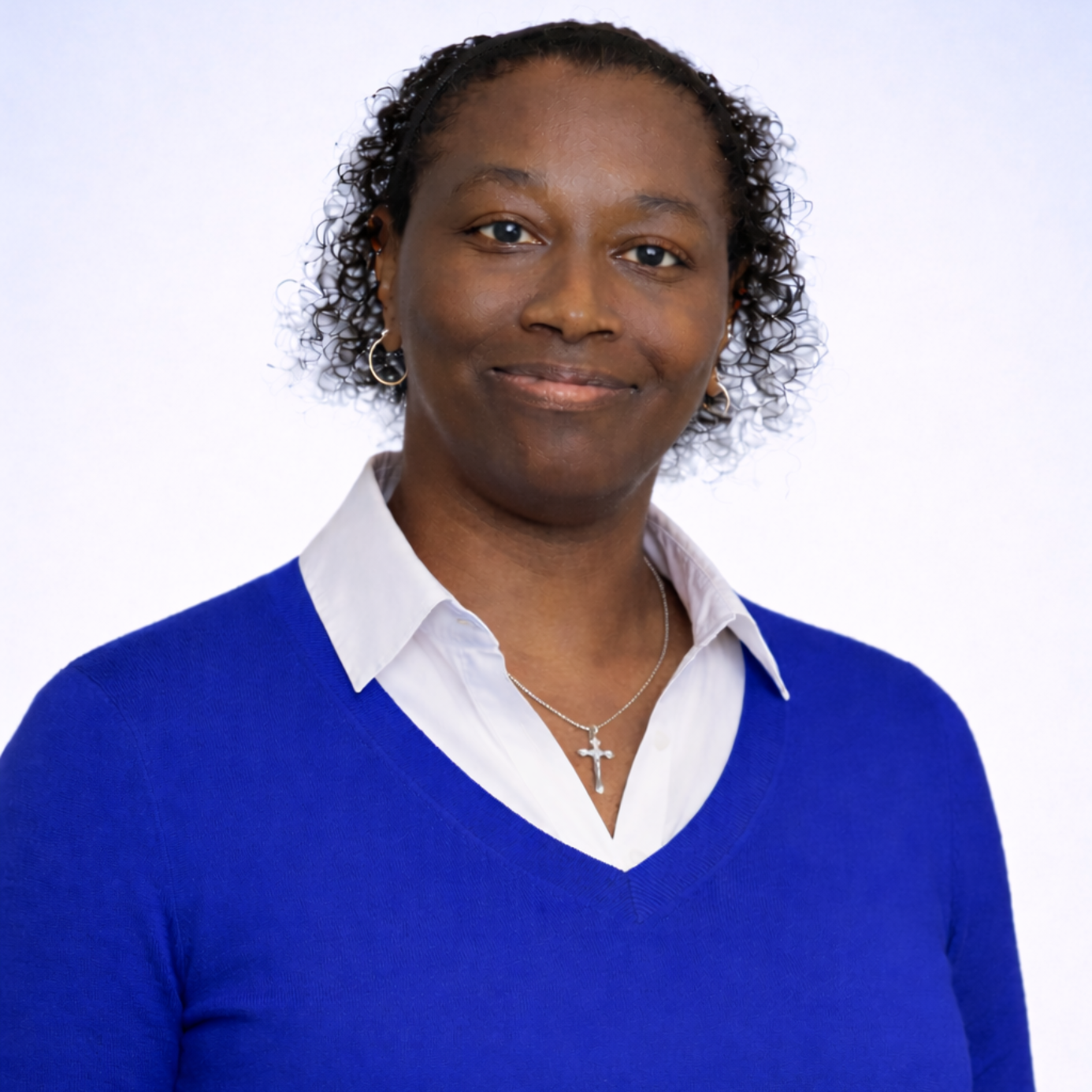
Talisha Taylor is a liver transplant survivor, patient safety advocate, and human services professional whose personal healthcare experiences have shaped her commitment to improving patient safety, healthcare equity, and patient-centered care. After being diagnosed with cryptogenic cirrhosis in October 2012, Talisha endured nearly a decade of serious medical complications, more than 25 hospitalizations, and numerous challenges navigating the healthcare system before receiving a lifesaving liver transplant on March 7, 2022, at the University of Maryland Medical Center.
Throughout her transplant journey, Talisha experienced firsthand the importance of listening to patients, recognizing symptoms beyond clinical measurements, and ensuring equitable treatment. Despite the severity of her illness, her MELD score did not always accurately reflect her declining health or the impact the disease had on her daily life. Her experiences taught her that patients do not always look as sick as they are and that clinical decisions must consider the whole person rather than relying solely on numbers or outward appearances. As a Black woman navigating the healthcare system, she also recognizes the importance of addressing implicit bias, particularly when patients report severe pain or advocate for additional medical attention.
In May 2026, Talisha faced another significant healthcare challenge following emergency back surgery. During her recovery, she experienced persistent wound drainage, severe pain, and complications involving a malfunctioning wound VAC. Despite her ongoing symptoms, the underlying cause was not immediately identified. It was only after a nurse advocated for further evaluation that additional testing revealed an MSSA infection, ultimately requiring another surgery, extended hospitalization, and prolonged antibiotic treatment. As a liver transplant recipient taking immunosuppressive medication, the infection created additional concerns for her overall health and transplanted organ.
This experience reinforced Talisha's belief that patient safety depends on timely intervention, effective communication, appropriate follow-up, and healthcare professionals who take patient concerns seriously. It also highlighted the importance of nursing advocacy, infection prevention, proper postoperative wound management, and coordination of care for medically complex patients. She believes that patients should never have to repeatedly advocate for themselves before potentially serious complications are investigated.
Beyond her personal healthcare journey, Talisha is actively involved in advocacy and community education. She serves as a dedicated volunteer with Infinite Legacy, her local organ procurement organization, where she shares her transplant story, raises awareness about organ and tissue donation, and helps educate communities about the lifesaving impact of donation. She is also an Ambassador for the Global Liver Institute (GLI), using her voice and lived experience to advocate for individuals affected by liver disease, promote health equity, and encourage greater patient involvement in healthcare decisions. Through these roles, Talisha is especially committed to reaching underserved communities, addressing disparities in healthcare access, and empowering patients to become informed advocates for their own health.
Professionally, Talisha serves as a Service Coordinator with So Others Might Eat (SOME), where she supports individuals experiencing housing instability, chronic health conditions, and barriers to accessing essential services. She holds a Bachelor's degree in Human Services from Mount St. Mary's University. Her educational background, professional experience, personal healthcare journey, and advocacy work provide her with a unique perspective on the challenges patients face both inside and outside healthcare settings.
Through her involvement with Patients for Patient Safety (PFPS), Talisha hopes to use her lived experiences to elevate patient voices, promote accountability, strengthen communication between patients and healthcare professionals, and help prevent avoidable harm. She is especially passionate about health equity, recognizing implicit bias, improving care transitions, infection prevention, and ensuring that patients with complex medical histories receive safe, coordinated, and compassionate care.
Talisha believes that patient safety is not simply about preventing medical errors; it is about creating a healthcare culture where patients are heard, concerns are addressed, and every individual is treated with dignity, respect, and compassion. Her goal is to help transform difficult healthcare experiences into meaningful improvements that protect future patients and ensure their voices remain central to the care they receive.