
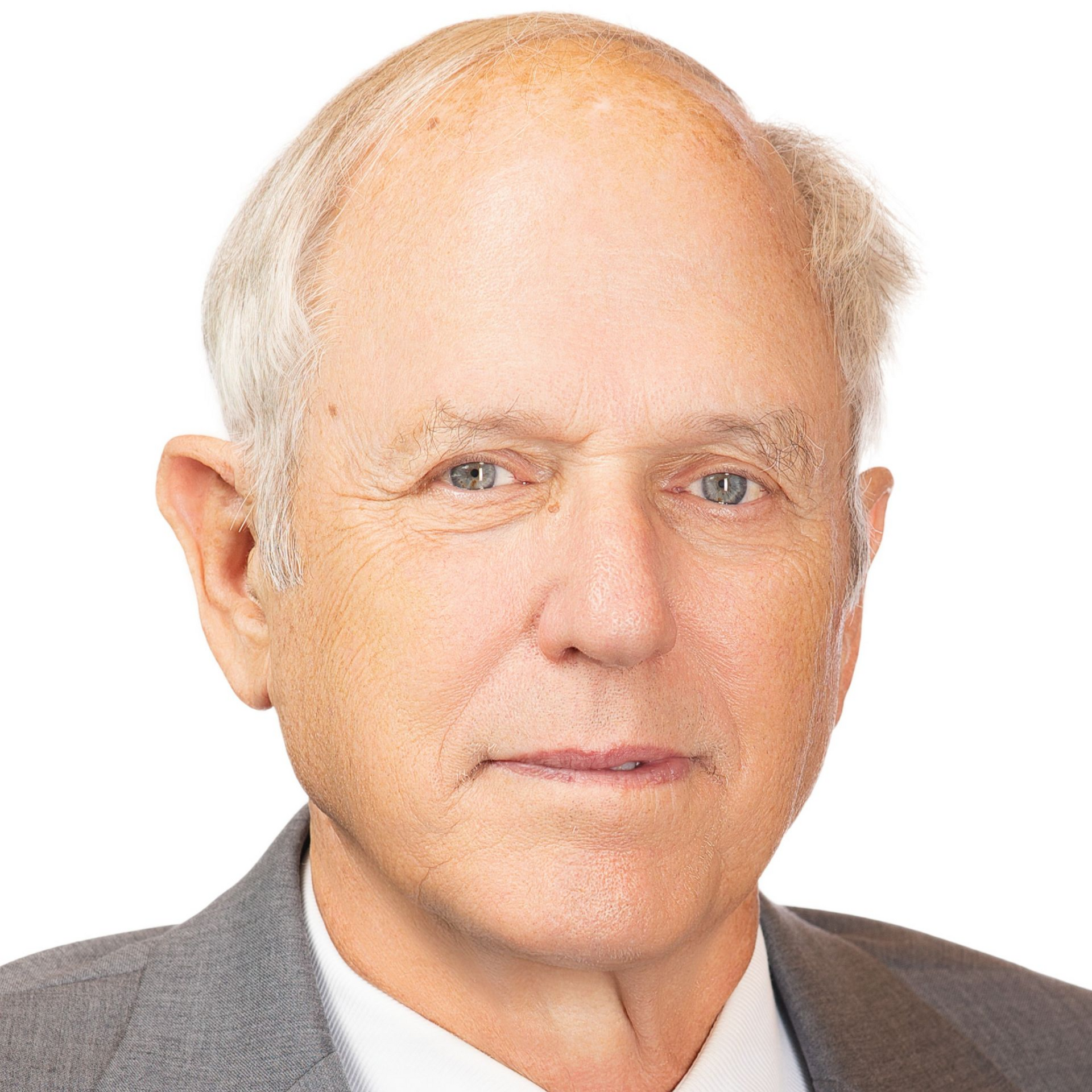
Gerald N. Rogan, MD
Dr. Rogan’s passion for patient safety began with his internship in 1972 when he was instructed to take over the care of an overdose patient who had been mistreated by another intern. She subsequently died. A pioneer in advanced cardiac life support (ACLS), he trained paramedics, ICU nurses, and anesthesiologist when ACLS was in its infancy during the 1970s. He contributed to the specialty development of Emergency Medicine, urgent care, and family practice. As expert reviewer for medical malpractice cases and the Medical Board of California, he helped set new standards for treatment of snake bites in Central Texas, pre-natal care in a hospital outpatient department in California’s central valley, and trauma centers throughout the country. After 23 years in primary care, he served the Medicare Program in California as a medical director and a consultant to federal law enforcement and the Office of the Inspector General for HHS, to expand coverage of new technology, and to mitigate Medicare waste, abuse, and fraud.
With two other authors, he performed a root cause analysis of the Redding Medical Center Disaster which had damaged over 700 patients. Reporting their findings to Congress, Congress made the accreditation of hospitals subject to oversight by the Centers for Medicare and Medicaid Services (CMS). He proposed and California enacted legal protections for physicians who are brave enough to report patient endangerment within hospital settings.
His current interest is for CMS to contract to provide root cause analysis (RCA) of selected medical disasters: similar to the process the National Transportation Safety Board requires following airplane crashes. Through RCA we can understand how we have failed to protect patients and recommend effective corrective action.